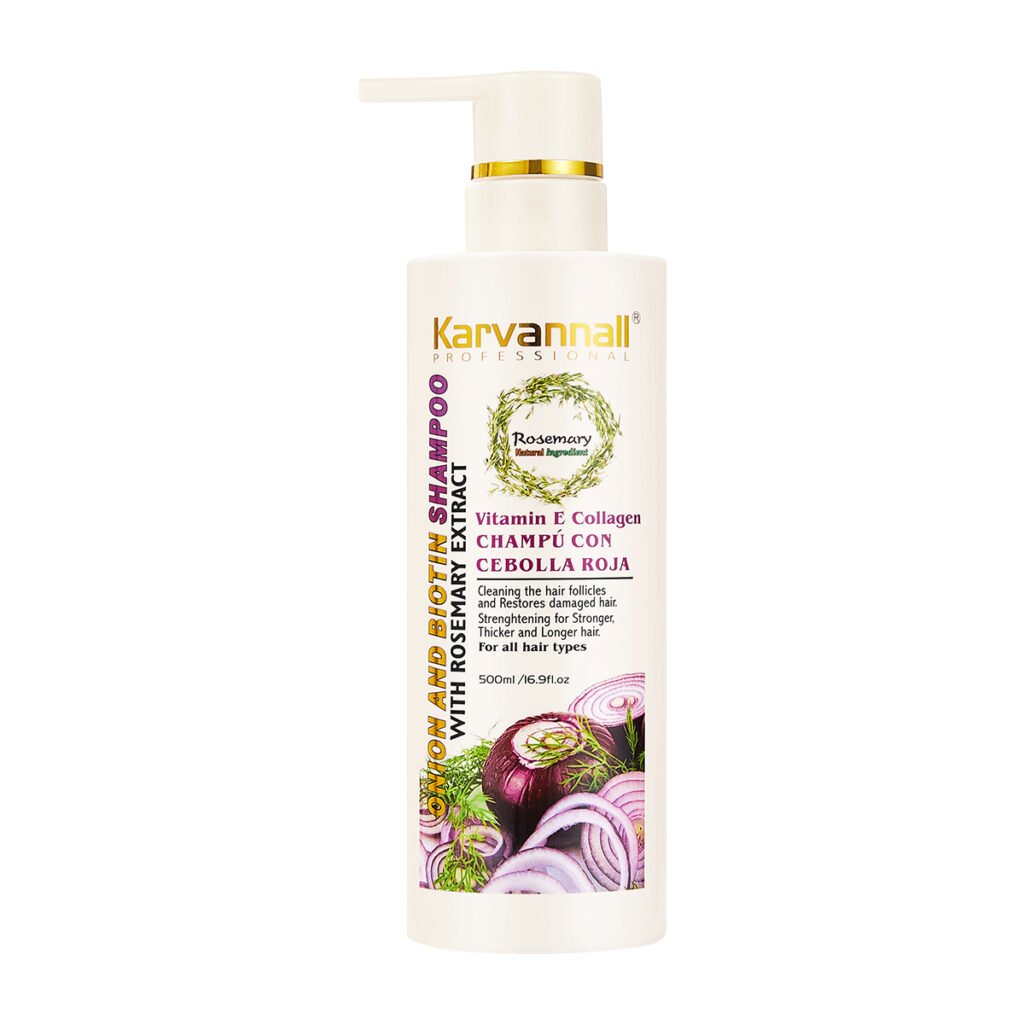
Short answer: Biotin is a B vitamin (B7) your body needs, and a true deficiency can cause hair thinning. But most people eating a varied diet are not deficient, and there is little solid evidence that biotin in a shampoo, which is rinsed off within minutes, changes hair fall. A biotin shampoo is best seen as a gentle cleanser that may fit into a hair-fall care routine, not as a treatment.
What is biotin and why is it linked to hair?
Biotin, also called vitamin B7, helps the body use fats, carbohydrates and proteins. Hair is made of keratin, a protein, so it is easy to see why biotin became popular in hair products. Severe biotin deficiency is known to cause hair thinning and skin rashes. That link is real, but it applies to people who are actually deficient, which is uncommon. Reasons include a very restricted diet, certain medical conditions, or long-term use of some medicines. Eggs, nuts, seeds, legumes and some vegetables are among the foods that supply biotin.
For people who are not deficient, the evidence that extra biotin grows more hair or stops shedding is weak. Many of the claims you see online come from marketing, not from good trials.
Can a biotin shampoo reduce hair fall?
This is where it helps to be careful. A shampoo stays on your scalp for a minute or two before it is washed away. We are not aware of strong evidence that biotin applied this way reduces hair fall. What a good shampoo can do is clean the scalp, remove sweat and buildup, and leave hair softer and easier to comb, which means fewer strands snapping during detangling. That can make hair feel fuller and look healthier, even though it does not change how many hairs your follicles produce.
The Rosemary Biotin Anti-Hairfall Shampoo lists rosemary extract and biotin among its ingredients, is described as paraben-free and sulfate-free, and is labelled suitable for all hair types. Use it as a cleansing step in your routine and judge it over a few weeks of consistent use, not a few washes.
What causes hair fall in the first place?
Ordinary shedding is normal; many people lose some strands every day. Hair fall becomes a concern when it increases noticeably or when you see thinning. Common contributors include:
- Iron, vitamin D or protein shortfalls in the diet
- Thyroid and hormonal changes, including after pregnancy
- Illness, fever or major stress a few months earlier
- Harsh styling, tight hairstyles and frequent chemical treatment
- Scalp conditions such as dandruff or inflammation
Our guides on causes of hair thinning in women and how to reduce hair fall naturally cover these in more depth.
Should you take biotin supplements instead?
Do not start high-dose supplements on your own. Two reasons: first, if you are not deficient, they may do nothing for your hair. Second, high-dose biotin can interfere with some blood tests, including certain thyroid and heart tests, and the US FDA has issued a warning about this. If you take biotin, tell your doctor or lab before any blood test. A doctor can check whether a deficiency or another cause explains your hair fall.
How to build a sensible anti-hair-fall routine
- Wash on a schedule that suits your scalp. A clean scalp is more comfortable and easier to manage. See how often to wash by hair type.
- Condition the lengths, not the scalp. Conditioner reduces tangling and breakage. The Karvannall Vitamin E Collagen Hair Conditioner page says to apply to wet hair after shampooing, leave for two to three minutes, then rinse thoroughly.
- Be gentle when hair is wet. Use a wide-tooth comb and avoid tight wet ponytails.
- Eat enough protein, iron and a varied diet. Hair is a low priority for the body when nutrition is short.
- Give it time. Hair grows slowly, so changes in a routine take months, not days, to show.
If you want to compare shampoo options for shedding and dandruff, see our guide to the best shampoo for hair fall and dandruff in India, or look at the ingredient discussion in rosemary and onion for hair.
When should you see a doctor?
See a dermatologist if you notice sudden or patchy hair loss, a widening parting, a lot of hair coming out in clumps, scalp pain, redness, scaling or a rash, or if shedding continues for more than a few months. These signs need a proper diagnosis, and no shampoo will replace that.
Frequently asked questions
Does biotin shampoo make hair grow faster?
There is no strong evidence that biotin in a rinse-off shampoo speeds hair growth. A shampoo mainly cleans the scalp and leaves hair easier to manage.
How do I know if I am biotin deficient?
True deficiency is uncommon and can cause thinning hair and skin rashes. Only a doctor can assess it, so do not self-diagnose or start high-dose supplements without advice.
Can I use a biotin shampoo every day?
That depends on your scalp and the product directions. Many people with an oily or sweaty scalp wash often, while dry scalps do better with fewer washes. Check the label and adjust to how your scalp feels.
Do biotin supplements affect blood tests?
High-dose biotin can interfere with some lab tests, and the US FDA has warned about this. Tell your doctor or lab if you take biotin before any blood test.
From the Karvannall range
We make two shampoos for hair that is prone to fall: the Rosemary Biotin Anti-Hairfall Shampoo (500 ml), and the Keratin and Argan 2-in-1 Anti-Dandruff and Anti Hair Fall Shampoo (500 ml) if dandruff comes with it. Both are sulfate-free and paraben-free. Neither replaces medical advice if your hair loss is sudden or patchy.