Short answer: Store hair care products in a cool, dry, shaded place away from direct sunlight and steam, keep lids closed, never dip hands or tools into tubs, and use older stock first. Always follow the storage and expiry information printed on each pack, because it varies by product.
Why does storage matter for a salon?
Salons are warm and humid: hot water, dryers, steamers and busy hands. That is hard on cosmetics. Heat and sunlight can change a product’s texture, colour or smell, and contamination from fingers or tools can spoil a tub long before it is empty. Poorly stored retail stock also looks bad on the shelf and can lead to returns or unhappy clients.
Where should you keep backbar and retail stock?
| Stock | Best place | Avoid |
|---|---|---|
| Unopened stock (backroom) | Closed cupboard or shelf, away from the wash area | Floor level near leaks, windowsills, top of dryer units |
| Backbar bottles in use | Shaded trolley or cabinet near the basin | Direct steam or sunlight |
| Retail display | Shelves out of direct sun, lit by indirect or LED light | Shop windows in strong afternoon sun |
| Open testers | Wiped and capped, replaced regularly | Open jars handled by many clients |
If you are deciding what to stock where, read backbar vs retail hair care.
What hygiene habits protect products?
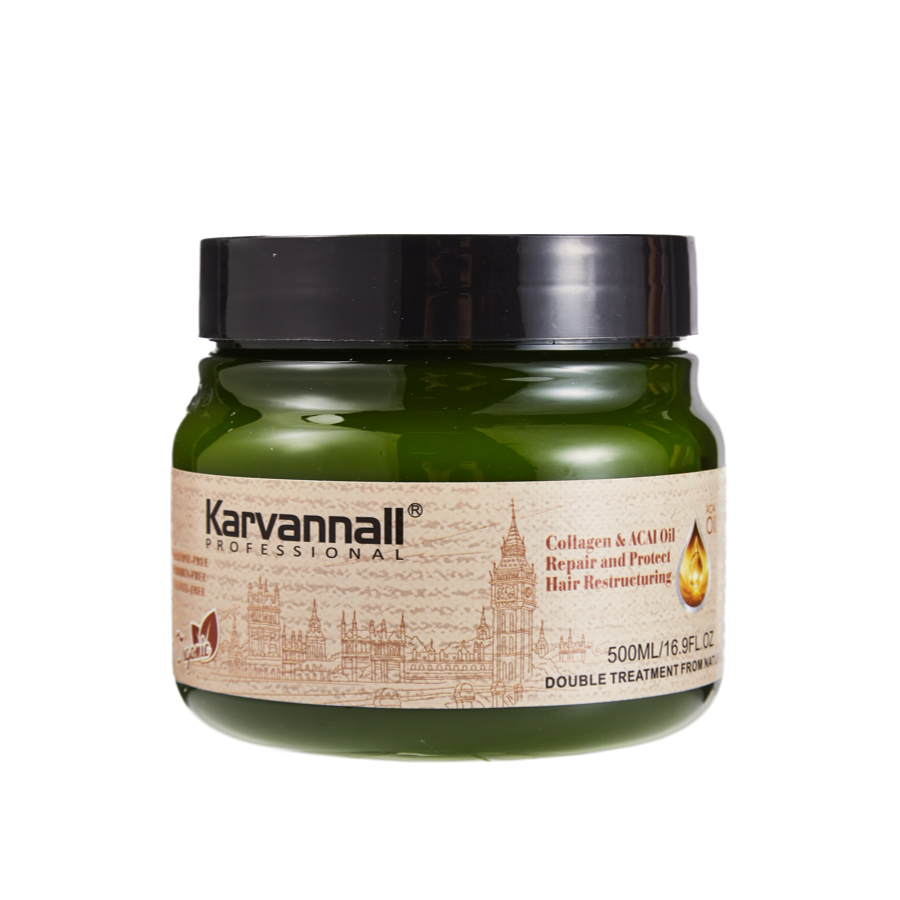
- Use a clean spatula or pump for tubs and jars instead of fingers. Masks such as the Double Treatment Hair Mask are best handled with a clean scoop if they come in a tub.
- Keep lids and pumps closed between clients so dust, water and hair do not get in.
- Decant carefully. If you pour from a large bottle into a smaller one, use a clean, dry container and label it with the product name and the date.
- Do not top up half-empty bottles with fresh product, which mixes old and new stock.
- Wipe bottles after use so residue does not build up on shelves.
How do you rotate stock properly?
Use the first-in, first-out rule: place new deliveries behind older ones and sell or use the older units first. Write the delivery date on the carton or shelf label. Check the batch details and any expiry or period-after-opening symbol printed on each pack; do not assume a standard shelf life for all products. If a pack has no clear information, ask your supplier.
What are the signs a product should not be used?
- A changed smell that is sharp, sour or musty
- Separation that does not mix back after a gentle shake
- Visible mould, discolouration or a very different texture
- A damaged or leaking seal
If you see any of these, set the product aside and do not use it on a client. When in doubt, replace it.
What about transport and delivery?
Check stock when it arrives. Open the carton, look for leaks or crushed packs, and store it straight away rather than leaving it in a hot vehicle or doorway. For salons thinking about regular supply, our guide on choosing a hair care wholesale supplier lists questions worth asking, and how to start selling retail products covers display and ordering.
Next steps for your salon
A simple checklist on the stock room door, with temperature, hygiene and rotation reminders, is often enough. If you are a salon owner or retailer and want to enquire about stocking Karvannall, you can use the wholesale enquiry page, or see the range in the shop.
Frequently asked questions
Where should a salon store shampoo and hair masks?
Keep them in a cool, dry, shaded place away from direct sunlight, steam and heat sources, with lids closed. Follow any storage instructions printed on the pack.
Can heat damage hair care products?
Prolonged heat and sunlight can change the texture, smell or appearance of cosmetic products. Store stock away from windows, dryers and steamers.
How do I know how long a product lasts once opened?
Look for the expiry date and the period-after-opening symbol on the pack. If the information is missing, ask your supplier or manufacturer.
Is it safe to decant products into smaller bottles?
It can be, if the container is clean and dry and you label it with the name and date. Avoid topping up partly used bottles with fresh product.