Short answer: A home-care routine card is a small printed or messaged note that tells a client exactly which products to use, in what order and how often. It turns a verbal recommendation into something she can follow at home, and it gives you a natural reason to talk about repeat purchases. Keep it to one page, three to five steps and plain language.
Why do clients forget salon product advice?
A client leaves the chair after a long service, with a lot said to her in a short time. By the time she gets home she may remember the product name but not the order, the amount or how often to use it. The result is wrong use, poor results and a bottle left on the shelf. A written routine closes that gap.
What should a routine card include?
- Client name and date. It makes the card feel personal.
- Hair or scalp goal. For example, softer dry ends or a calmer, cleaner scalp. Use the client’s own words.
- Three to five steps. Shampoo, conditioner and one extra such as a mask or oil.
- How often and how much. Be specific, such as a coin-sized amount of shampoo or a mask once a week.
- What not to do. One or two cautions, such as keeping conditioner off an oily scalp.
- When to come back. A suggested date for a check-in or the next service.
What does a sample card look like?
| Step | Product | How to use it |
|---|---|---|
| 1. Shampoo | Keratin and Argan Hair Shampoo | On the scalp, as often as needed. Let the lather rinse through the lengths |
| 2. Conditioner | Keratin and Argan Hair Conditioner | Mid-lengths and ends, a couple of minutes, rinse well |
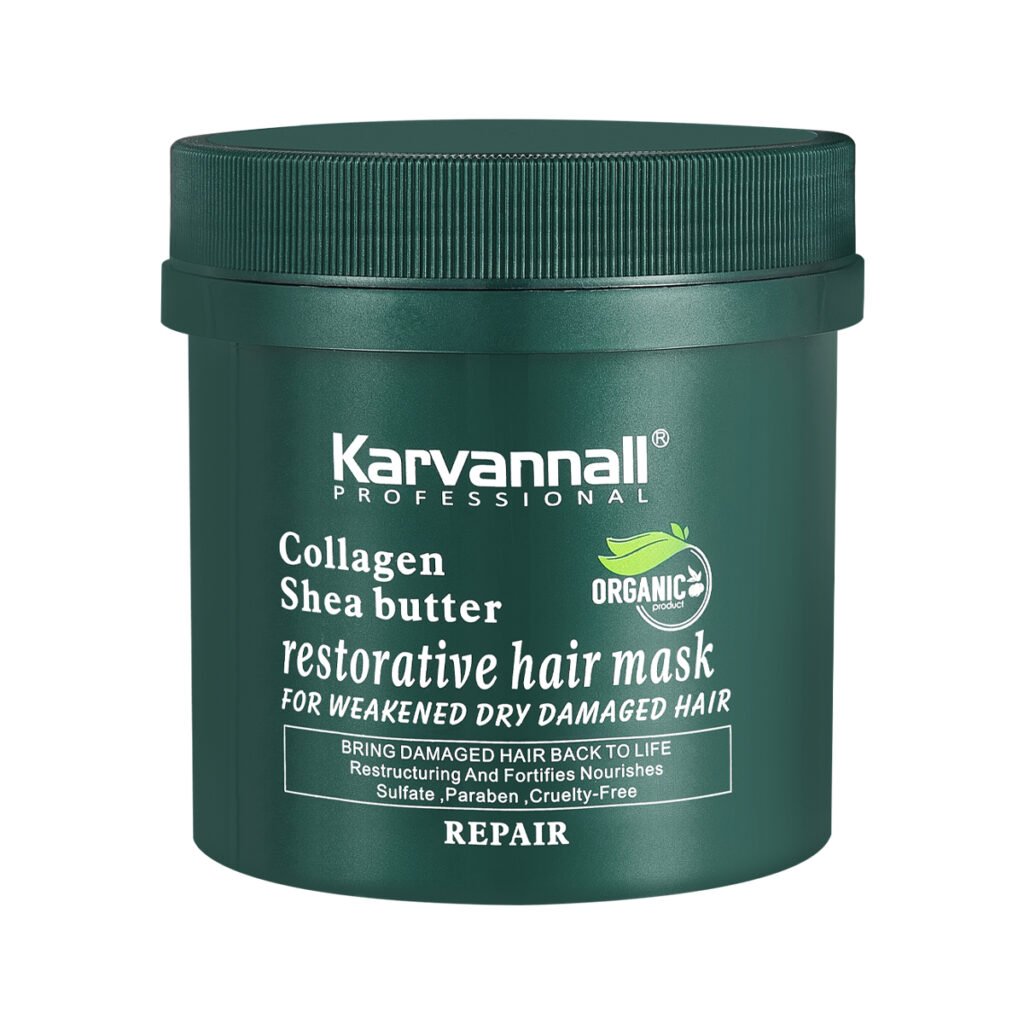
| 3. Mask | Collagen Shea Butter Moisture Hair Treatment Mask | Once a week instead of conditioner, on towel-dried hair for the time on the pack |
This example is for dry, frizzy or damaged hair, which is what these product pages describe. For other hair types, change the products to match. Do not add products the client does not need just to fill the card.
How do you keep the card honest?
- Describe each product the way its label or page does. Avoid promising results or timelines you cannot guarantee.
- Say that hair takes a few washes to respond to a new routine.
- If a client mentions sudden or patchy hair loss, scalp pain or a rash, advise her to see a dermatologist and leave the card out.
How do you introduce the card?
- Finish the consultation by asking what she finds hardest about her hair at home.
- Pick the smallest routine that addresses it.
- Write it down while she watches, then hand it over at the till or send it on WhatsApp.
- Offer a small tester if she wants to try before buying a full bottle. See salon hair care testers and samples.
For wording and flow, read how to recommend retail products during a consultation and salon aftercare recommendations.
How do you get your staff to use it?
Make it part of the checkout step for every service that changes the hair, such as colour, smoothing and treatments. Print a template with blank lines so a card takes under a minute to fill. Train staff to write the routine, not read from the card. Our guide on training salon staff to recommend retail products goes into this.
How do you measure whether it works?
Count cards handed out each week and compare them with retail items sold and clients who return for a refill. Keep the numbers simple, as in how to track retail sales in your salon. If cards go out but products do not sell, the routine may be too long or too hard to follow. Cut it to two steps and try again.
How does stock planning fit in?
A routine card means you know which products clients are using and about how long a bottle should last. That makes reordering easier. See how long a 500ml shampoo lasts and how much retail stock to order.
If you run a salon or retail shop and want to stock Karvannall, you can send an enquiry through our wholesale and distribution page.
Frequently asked questions
How long should a routine card be?
One page or less, with three to five steps. A short card is more likely to be followed than a long list of products.
Should a salon routine card be printed or sent on WhatsApp?
Either works. A printed card can be handed over at the till, while a WhatsApp message is easy to keep and forward. Use whichever your clients already respond to.
Should I list every product I sell on the card?
No. Recommend only what the client needs. A focused routine builds trust and makes repeat purchases more likely than a long list.
Can I promise results on the card?
It is better not to. Describe how to use each product and say that hair takes a few washes to respond. Results vary from person to person.