Short answer: Long hair breaks and tangles more because the ends are older and have been through more washing, brushing and styling. The most useful habits are conditioning the lengths every wash, detangling gently from the ends up, drying without rubbing, protecting hair at night and trimming before the ends fray. Healthy growth comes from the scalp, but keeping the length you already have is mostly about handling.
Why does long hair need a different routine?
Hair grows slowly, so the ends of long hair can be several years old. Over that time they have faced heat, sun, dust, friction from clothes and countless combings. Longer hair also has more surface to rub against itself, which means more knots, and each knot you pull through can snap a few strands. Oil from the scalp has a long way to travel down the strand too, so the ends often feel drier than the roots.
That is why people with long hair often say it stops growing past a certain point. Usually it is still growing, but the ends are breaking off at nearly the same pace. If that sounds familiar, our post on hair breakage versus hair fall helps you work out which one you are dealing with.
How should you wash long hair?
- Detangle before you wet it if it is knotty, starting at the ends with a wide-tooth comb.
- Shampoo the scalp only. Massage gently with your fingertips and let the rinse water carry the lather down the lengths. Piling the whole length on top of your head and scrubbing it creates knots.
- Condition from the mid-lengths to the ends. Leave it on for two to three minutes, then rinse well. Our guide to using conditioner properly has the details.
- Squeeze, do not twist. Press the water out with your hands, then blot with a soft towel or cotton t-shirt.
For the full technique, see how to wash your hair properly.
How do you detangle long hair without breakage?
Work in small sections, hold the hair above the knot with one hand so the root does not take the pull, and comb the ends first. Then move a little higher and repeat until the comb runs from root to tip. Doing this on damp, conditioned hair is gentler than on dry, rough hair. We cover the method in how to detangle wet hair without breakage.
What care helps the lengths and ends?
- Conditioner every wash. The Karvannall Vitamin E Collagen Hair Conditioner is applied to wet hair after shampooing, massaged gently through the lengths, left for two to three minutes and rinsed. Its page describes it as sulphate-free and paraben-free and suitable for all hair types.
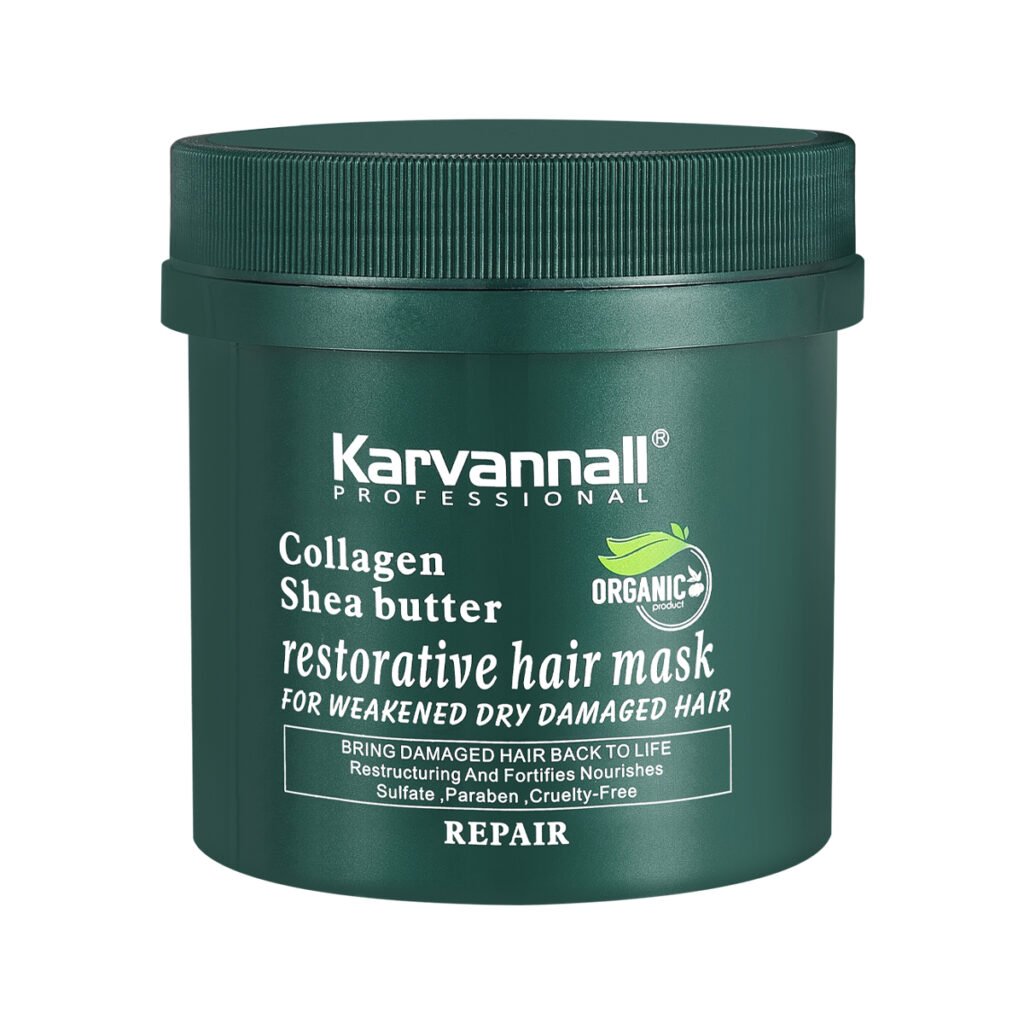
- A weekly mask for dry lengths. The Collagen Shea Butter Moisture Hair Treatment Mask is described for dry, damaged and chemically processed hair. Its page suggests once a week for most hair, and twice for very dry or rough hair. On mask day it replaces conditioner.
- A little oil on the ends. Karvannall Argan Oil is a lightweight oil that can be used on damp hair. Two or three drops warmed in your palms are enough for mid-length hair, and long hair may need a few more. Keep it on the lengths if your roots get oily fast.
These products can make hair feel softer and easier to comb. They do not make hair grow faster, and no product can stop long hair from needing trims.
Which habits protect long hair day and night?
| When | What to do | Why it helps |
|---|---|---|
| Brushing | Use a wide-tooth comb or a brush made for detangling, ends first | Avoids snapping hair at knots |
| Tying up | Use soft fabric ties and change the position often | Hair breaks where it is pulled tight every day |
| Sleeping | Loose braid or loose bun, smooth pillowcase | Cuts friction. See our posts on a night-time hair care routine and silk pillowcases |
| Drying | Air-dry or use a dryer on low heat and keep it moving | Less stress on the ends. See how to dry hair after washing |
| Heat styling | Heat protectant and the lowest workable temperature | Ends are the weakest part of the strand |
How often should long hair be trimmed?
Trimming does not make hair grow faster, but it removes split and frayed ends before the damage travels upward. A small, regular trim saves more length than waiting until a large cut is needed. How often depends on how much you heat style, colour or tie up your hair; our guide on how often to trim your hair helps you decide.
When should you see a doctor?
If hair is thinning at the crown or parting, falling out in clumps, or you have patchy hair loss, a painful scalp or a rash, see a dermatologist. Those are not problems a new routine can fix.
Frequently asked questions
Why does my long hair stop growing?
Hair usually keeps growing from the scalp, but the ends can break off at about the same pace. Gentle handling, regular conditioning and small trims help you keep the length you grow.
How often should I wash long hair?
It depends on your scalp. Wash when your scalp feels oily or dirty, and focus shampoo on the scalp. Washing less often can reduce friction on the lengths if your scalp stays comfortable.
Is it better to detangle hair wet or dry?
Many people find damp, conditioned hair easier to detangle gently. Wet hair is also more fragile, so use a wide-tooth comb and start at the ends instead of pulling from the roots.
Do I need a hair mask for long hair?
If the lengths and ends feel dry or rough, a weekly mask can add softness. On mask day it replaces conditioner. If your hair already feels soft, conditioner alone may be enough.