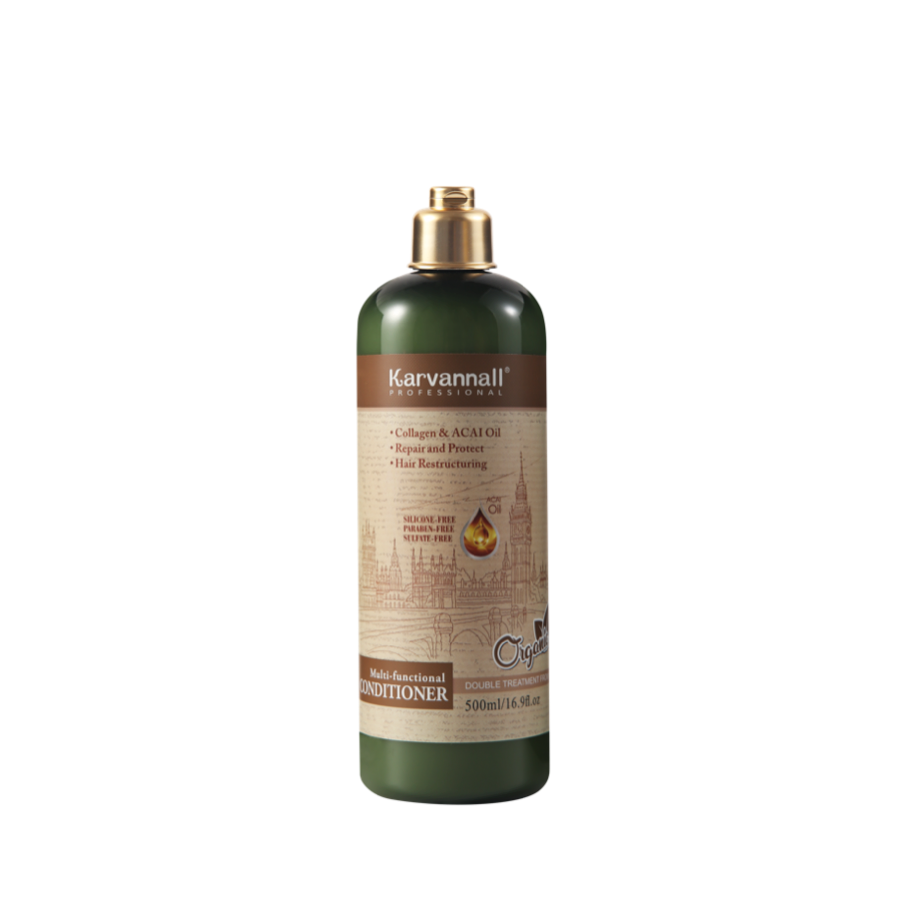
Short answer: Apply conditioner after shampooing to the mid-lengths and ends, not the scalp. Leave it on for one to three minutes (check your product), detangle gently, and rinse thoroughly. Using too much, or putting it on the roots, is the most common reason hair ends up limp or greasy.
What does conditioner actually do?
Shampoo cleans, which can leave the hair surface rough. Conditioner smooths that surface, reduces friction between strands and makes hair easier to comb. It does not fix damage permanently; it improves how hair feels and behaves until the next wash.
How do I use conditioner step by step?
- Shampoo and rinse well. Leftover shampoo stops conditioner from working properly.
- Squeeze out extra water so the conditioner is not diluted.
- Take a coin-sized amount for short hair, more for long or thick hair.
- Spread it from mid-length to ends. Use your fingers or a wide-tooth comb.
- Leave it on for the time on the label, then rinse until the hair no longer feels slippery.
How long should I leave conditioner on?
It depends on the product. The Silicone-Free Hair Conditioner page says to leave it on for one to two minutes, while the Vitamin E Collagen Hair Conditioner page says two to three minutes. Always follow the directions on your own bottle. Leaving it longer rarely helps; a mask is a better choice for deeper conditioning, as explained in hair mask vs conditioner.
Should conditioner touch my scalp?
Generally not, especially if your scalp gets oily. Conditioner is designed for the lengths. People with a very dry or tight scalp sometimes apply a little near the roots, but heavy application can make hair look flat.
Which conditioner suits which hair?
| Hair type | What to look for |
|---|---|
| Normal to oily | A lighter, hydrating formula. The Silicone-Free Hair Conditioner page describes a blend for normal to oily hair that does not leave hair greasy. |
| Dry, frizzy | A richer conditioner with moisturising ingredients such as argan, for example the Keratin & Argan Hair Conditioner. |
| Colour-treated | A gentle, sulphate-free formula; read our colour-treated hair routine. |
What are the most common conditioner mistakes?
- Applying it to the scalp and roots
- Using too little water pressure to rinse, leaving residue
- Skipping it because hair is oily, when only the ends need it
- Brushing wet hair aggressively; use a wide-tooth comb instead
If you are unsure which formula to start with, browse the Karvannall shop.
Do I need conditioner every wash?
Most people benefit from it after each wash, especially with long or dry hair. Very short, fine, oily hair may need it only on ends or every other wash. If you are not sure how often to wash, our guide on how often to wash your hair may help.
Frequently asked questions
Should I apply conditioner before or after shampoo?
After. Shampoo first to cleanse, then condition the lengths and ends. Some people try conditioner-only washes for very dry hair, but that is a personal choice.
Can I leave conditioner in overnight?
Rinse-off conditioners are designed to be washed out after a few minutes. Overnight use can leave hair heavy. For deeper conditioning, use a hair mask as directed.
Why does my hair feel greasy after conditioner?
Usually too much product, application too close to the roots, or incomplete rinsing. Use less, keep it to the lengths and rinse longer.
Is cold or warm water better for rinsing conditioner?
Lukewarm to cool water is gentler on the scalp and hair. Very hot water can leave hair feeling drier.