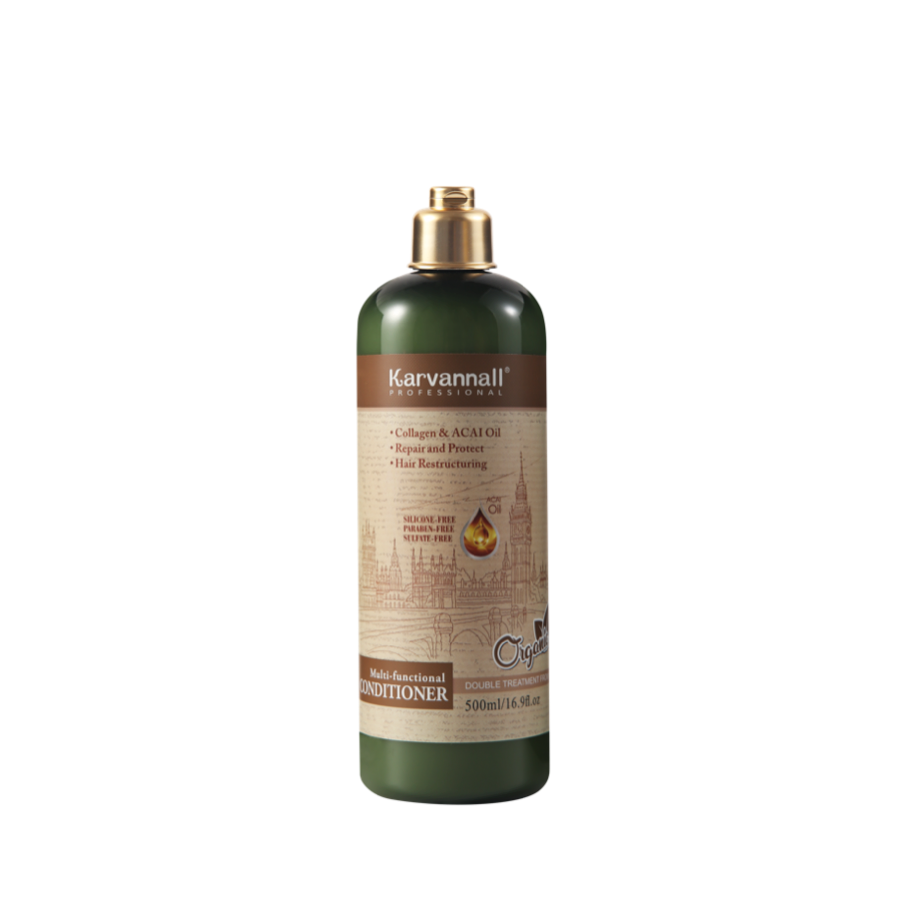
Short answer: Reverse hair washing means applying conditioner to your lengths first, rinsing, then shampooing, and optionally conditioning again. It is not necessary for most people, but it can suit fine hair that goes limp, or hair with dry ends and quick-to-oil roots. There is little formal research on it, so treat it as a low-risk experiment rather than a proven technique.
What is reverse hair washing?
The usual order is shampoo, then conditioner. Reverse washing flips it: conditioner first, shampoo second. The idea is that conditioner on the ends gives them a light protective layer before shampoo runs over them, and that less conditioner is needed afterwards, so hair is not weighed down.
Who might try it?
- Fine or thin hair that looks flat when conditioner is left on the roots or used generously.
- Combination hair with oily roots and dry ends. See our guide to oily roots and dry ends.
- Long hair that tangles in the shower, where the extra slip first can help.
If your hair is thick, coarse or very dry, the standard order usually works well already, and a weekly mask will do more for you than changing the sequence.
Is it better than normal washing?
Not proven. Shampoo is meant to clean the scalp and conditioner is meant to smooth the lengths. Doing conditioner first does not change what each product is designed to do, so the result may be a slightly lighter feel rather than a dramatic difference. A good shampoo technique matters more; see how to wash your hair properly.
How to do it step by step
- Wet your hair thoroughly with lukewarm water.
- Squeeze out the extra water, then apply conditioner to the mid-lengths and ends only. Keep it off the scalp.
- Leave it for one to two minutes while you wash your body.
- Rinse about 80 percent of it out. A little slip can stay.
- Shampoo the scalp and roots, and let the lather rinse through the lengths.
- Rinse well. Add a small amount of conditioner to the very ends only if they still feel dry.
Our post on whether to apply conditioner on your scalp explains why keeping it off the roots matters, especially for oily scalps.
Which products suit this method?
A lighter conditioner makes the most sense when you are trying to avoid weight. The Silicone-Free Hair Conditioner is described on its page as made for normal to oily hair, leaving it soft and shiny without feeling greasy. If your hair is dry, frizzy or damaged, the Keratin and Argan Hair Conditioner with its matching shampoo is the range aimed at that hair type. Whichever you pick, use a coin-sized amount for shoulder-length hair and adjust from there. See how much shampoo and conditioner to use per wash.
Common mistakes
- Applying conditioner to the scalp, which can make roots greasy.
- Rinsing the conditioner out completely and then skipping the second step, leaving dry ends unprotected.
- Judging after one wash. Give it three or four washes before deciding.
- Switching products and technique at the same time, so you cannot tell what helped.
When to skip it
If you use a mask on a wash day, the mask replaces conditioner, so you do not need both. And if your scalp is itchy or flaky, sort that out first, because changing the order will not fix a scalp problem.
You can see the full range in the Karvannall shop.
Frequently asked questions
Is reverse hair washing good for hair?
It is not harmful for most people and may suit fine or combination hair. There is little formal research showing it beats the normal order.
Can I use conditioner before shampoo every wash?
Yes, if you like the result. Many people use it on some wash days and the normal order on others.
Do I still need conditioner after shampoo?
Often a small amount on the ends is enough if they still feel dry. Skip it if your hair feels soft and light.
Does reverse washing help oily hair?
It can help if the oiliness is at the roots and the ends are dry, because less product sits on the scalp. Keep conditioner away from the roots either way.