Short answer: Detangle wet hair only after applying conditioner, use a wide-toothed comb, and work from the ends upward in small sections. Never drag a brush from the roots through soaking, dry-shampooed or unconditioned hair.
Why is wet hair easier to break?
Hair swells when it absorbs water and becomes more stretchy and fragile. Pulling a brush through knots at this stage can snap strands or stretch them until they break later. Hair that is already dry, coloured or heat-styled is even more at risk. If you often see short pieces in your brush, read hair breakage vs hair fall to check what you are really seeing.
What is the right way to detangle wet hair?
- Apply conditioner first. Slip makes knots easier to release. Apply to mid-lengths and ends after shampooing.
- Use your fingers on big knots. Separate large tangles gently before reaching for a comb.
- Use a wide-toothed comb. Fine-toothed combs and stiff brushes catch and tear.
- Start at the ends. Hold the hair above the knot, comb the last few centimetres, then move up a little at a time.
- Work in sections. Clip the rest of your hair away so you do not re-tangle it.
- Rinse thoroughly. Leftover product can leave hair feeling heavy and sticky.
Which products make detangling easier?
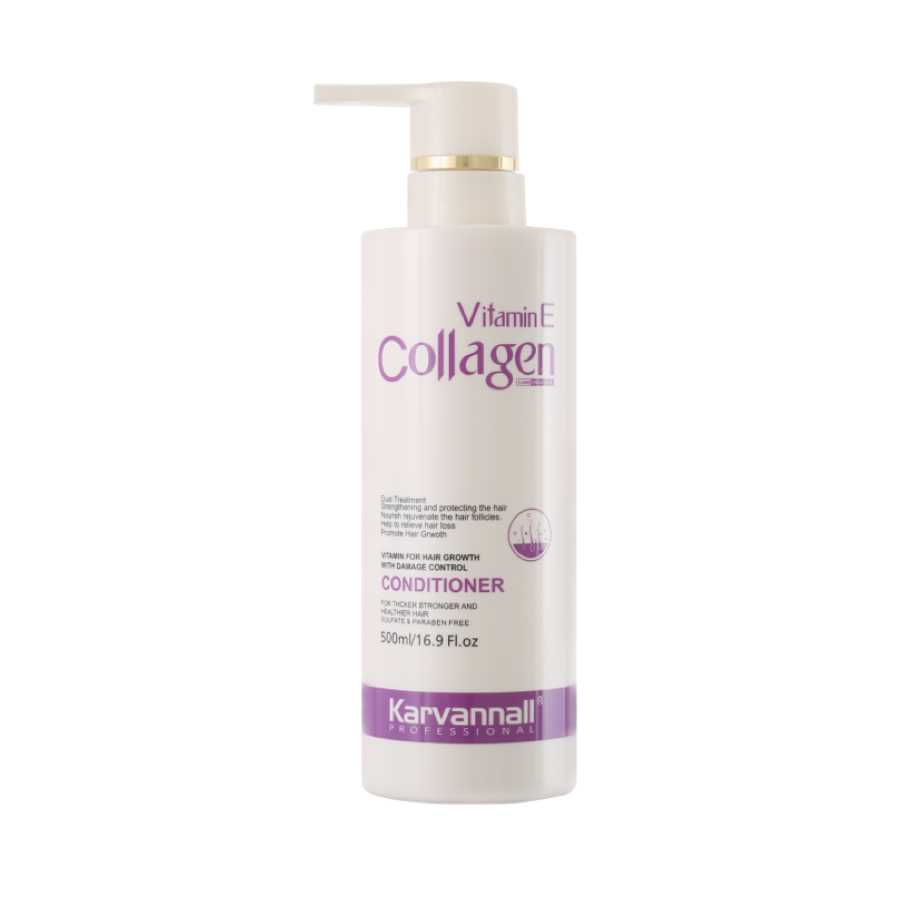
A conditioner is the main help. The Karvannall Vitamin E Collagen Hair Conditioner is applied to wet hair after shampooing and left for 2 to 3 minutes before rinsing, according to its product page. If your hair gets greasy easily, the Silicone-Free Hair Conditioner is described for normal to oily hair, applied from mid-shaft to ends and left for 1 to 2 minutes. For more on getting the technique right, see how to use conditioner properly.
A few drops of a lightweight oil on damp hair can add slip too. The Argan Oil is described as a lightweight oil for frizz and flyaways, applied to wet or damp hair and not rinsed out. Use a small amount so it does not weigh hair down.
Should I detangle before or after washing?
For very tangly, long or curly hair, gently finger-detangle or comb dry hair before you step into the shower. This reduces new knots forming during shampooing. Avoid piling hair on top of your head and scrubbing in circles, which creates tangles. Our step-by-step shampoo technique shows a gentler way to wash.
What mistakes should I avoid?
- Rubbing hair hard with a towel; squeeze and pat instead.
- Brushing from the roots down in one pull.
- Using a fine-toothed comb on tight curls or waves.
- Tying wet hair tightly, which stretches it.
- Sleeping with wet hair, which tangles and rubs on the pillow.
Does hair type change the method?
Straight, fine hair tangles at the ends and around the nape. Wavy and curly hair tangles more throughout and benefits from conditioner while detangling in the shower. Longer hair needs smaller sections. Whatever your type, slow and gentle beats fast and forceful. Curly hair readers can also see our curly hair care routine.
Frequently asked questions
Is it bad to brush wet hair?
Rough brushing is the problem. Wet hair is more fragile, so use conditioner and a wide-toothed comb and start at the ends.
What comb is best for wet hair?
A wide-toothed comb is gentler on wet hair than a fine-toothed comb or a stiff brush.
Should I detangle before shampooing?
For long or tangle-prone hair, gently detangling dry hair first can reduce new knots during washing.
Can a leave-in oil help with knots?
A small amount of lightweight oil on damp hair can add slip, but too much can weigh hair down.