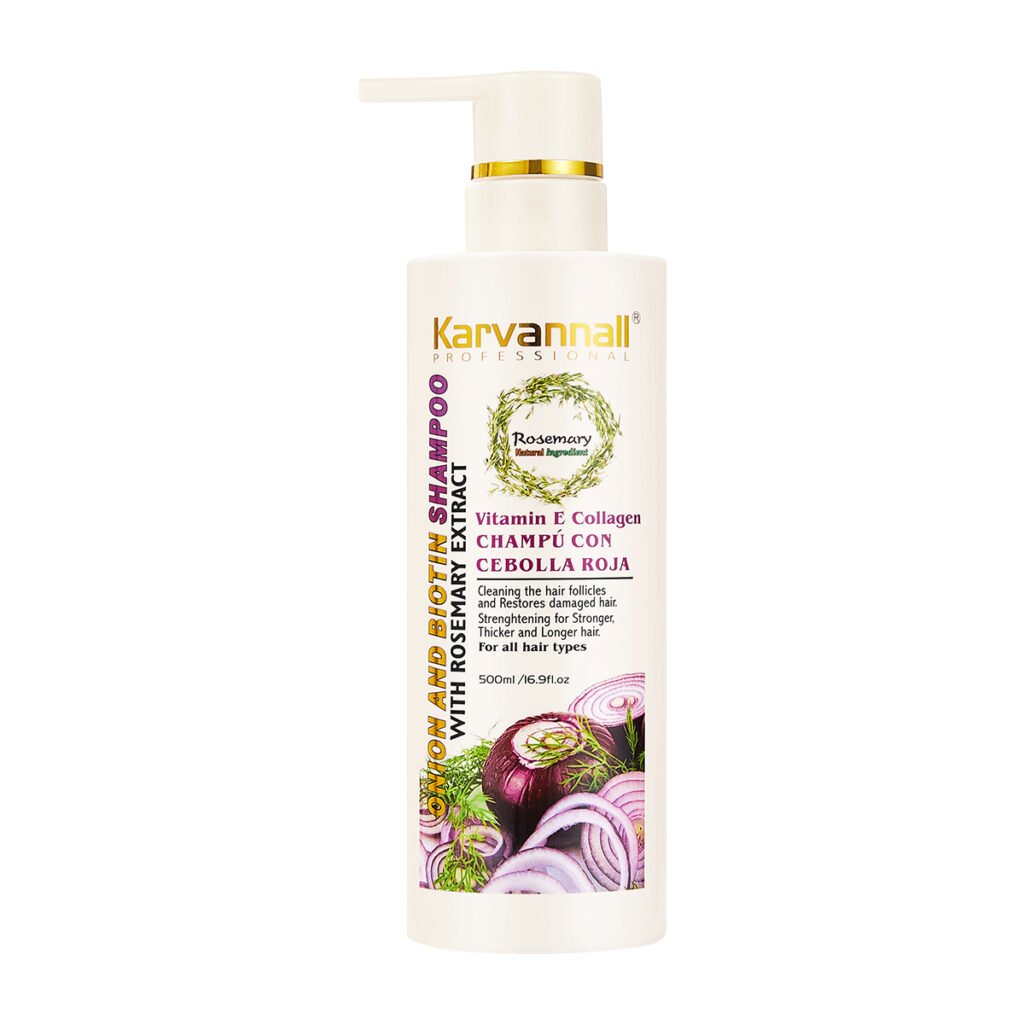
Short answer: Increased hair shedding a few months after giving birth is common and is usually temporary. It is linked to the hormonal changes that follow pregnancy, which move many hairs into the shedding phase at around the same time. Gentle hair care can reduce breakage meanwhile, but if shedding is severe, patchy or lasts beyond a year, see a doctor to check for other causes such as thyroid problems or low iron.
Why does hair fall after pregnancy?
During pregnancy many women notice thicker-looking hair, because fewer hairs than usual are shed. After delivery, hormone levels change and those hairs enter the resting and shedding phase together. Doctors call this temporary increased shedding telogen effluvium. It typically shows up a few months after birth and settles over time as the normal cycle resumes. Individual experience varies a lot, so treat any timeline as a rough guide only.
Is it hair fall or breakage?
It helps to know which one you are dealing with, since the care is different. Shedding hairs usually have a small white bulb at the root and come out in the comb or shower. Breakage shows up as short pieces with no bulb. Our post on hair breakage vs hair fall explains how to tell them apart, and how much hair fall is normal gives a sense of what counts as typical.
How can you care for your hair gently?
Wash with a mild shampoo
Wash as often as your scalp needs, but be gentle: use fingertips, not nails, and rinse thoroughly. A sulfate-free shampoo suits regular washing. The Rosemary Biotin Anti-Hairfall Shampoo is a sulfate-free, paraben-free shampoo with rosemary extract and biotin that is made for hair prone to fall. It will not stop shedding on its own, and its page says so plainly, but it is gentle enough for regular washing.
Condition the lengths
Apply conditioner to mid-lengths and ends, not the scalp, to make hair easier to detangle. The Vitamin E Collagen Hair Conditioner is applied after shampooing and left for two to three minutes before rinsing.
Avoid extra strain
- Skip tight ponytails and buns while hair is shedding; see tight hairstyles and hair loss.
- Detangle wet hair slowly from the ends with a wide-tooth comb. Our guide to detangling wet hair has the steps.
- Limit high heat from dryers and straighteners.
What about food and supplements?
Recovery from childbirth and sleep loss can affect iron and other nutrients. If you are breastfeeding or have had heavy blood loss, ask your doctor about testing before starting any supplement. We cover the general picture in diet and hair fall.
When should you see a doctor?
- Shedding is heavy, patchy or comes with a painful, red or scaly scalp.
- You also feel very tired, cold, or notice weight or mood changes, which can point to a thyroid issue.
- Hair has not settled after about a year.
A doctor or dermatologist can check for treatable causes. Shampoo cannot replace that.
Frequently asked questions
When does postpartum hair fall start?
For many women it becomes noticeable a few months after delivery, but timing varies from person to person.
How long does postpartum hair fall last?
It is usually temporary and settles as the hair cycle returns to normal. If it continues beyond about a year or is severe, see a doctor.
Can I use shampoo to stop postpartum hair fall?
No shampoo stops hormonal shedding. A gentle shampoo and conditioner help reduce breakage while the hair cycle settles.
Will my hair grow back thick again?
In most cases shed hairs are replaced as the cycle returns to normal, though the pace differs for everyone. A doctor can check if regrowth seems slow.