Short answer: Shikakai and reetha can clean hair gently because they contain natural foaming compounds, and many people like them as an occasional wash. But they usually cleanse less thoroughly than a shampoo, can leave hair feeling rough, and are not tested or standardised the way a packaged product is. Amla is better thought of as a conditioning and tonic ingredient than a cleanser. For most people, a gentle shampoo plus conditioner is the more predictable everyday option.
What are shikakai, reetha and amla?
- Shikakai is the dried pod of a shrub that has been used in India for washing hair for generations. It is mild and produces only a light foam.
- Reetha (soapnut) is the dried fruit of the soapberry tree. It produces more foam than shikakai and is often combined with it.
- Amla is Indian gooseberry. It is usually used as a powder, juice or oil, and is not a cleanser in the way shikakai and reetha are.
The foaming effect of shikakai and reetha comes from plant compounds called saponins. They loosen oil and dust in a way that is similar to soap, although much milder.
Do they work as well as shampoo?
It depends on what you want the wash to do. Traditional cleansers can handle normal oil and dust, and some people with fairly low-maintenance hair do well with them. They struggle more with heavy oiling, sweat, pollution and styling products, and they can leave a rough, tangled feel on hair that is long, dry or coloured. There is not much rigorous research comparing them with shampoo, so most of what we know comes from long use and personal experience.
| Shikakai or reetha wash | Gentle shampoo | |
|---|---|---|
| Cleaning power | Mild to moderate | Designed to be consistent |
| Lather | Low | Moderate to rich |
| Feel after washing | Can be rough or squeaky | Usually smoother, especially with conditioner |
| Preparation | You make it at home | Ready to use |
| Consistency | Varies with the batch | Same formula each time |
| Hard water | Can leave residue | Depends on the formula |
How do you use them?
- Soak a small handful of dried shikakai and reetha in water overnight, or simmer them gently for a short while.
- Mash and strain the liquid.
- Apply it to the scalp, massage gently and keep it away from your eyes. Reetha can sting.
- Rinse very thoroughly with clean water.
- Follow with conditioner on the mid-lengths and ends, since traditional washes can leave hair feeling dry.
Make a fresh batch for each use, because homemade liquids spoil quickly.
Who should be careful?
- Anyone with sensitive eyes or skin. Reetha can irritate. Do a small patch test first, and stop if the scalp itches or burns.
- People with dry, coloured or chemically treated hair. A traditional wash may feel too drying. See hair care after a keratin treatment if you have had a smoothing service.
- People who live with hard water. Saponin washes can leave residue in hard water, so our post on hard water and hair care in India is worth a read.
If you have heavy flaking, scalp pain or sudden hair loss, see a dermatologist. A herbal wash will not treat a scalp condition.
What about amla?
Amla is popular as a hair oil, powder or rinse. People use it for its conditioning feel and traditional associations with hair care. Research on its effect on hair growth is limited, so it is safest to see it as a conditioning ingredient, not as a hair fall solution. Amla powder can also be drying and may stain light hair, so test it first. Our post on DIY hair mask versus store-bought compares home and packaged options in more detail.
How can you fit traditional cleansers into a modern routine?
A sensible compromise is to use a traditional wash occasionally, perhaps once a week, and use a gentle shampoo the rest of the time. If product build-up bothers you, read do you need a clarifying shampoo before assuming you must give up shampoo altogether.
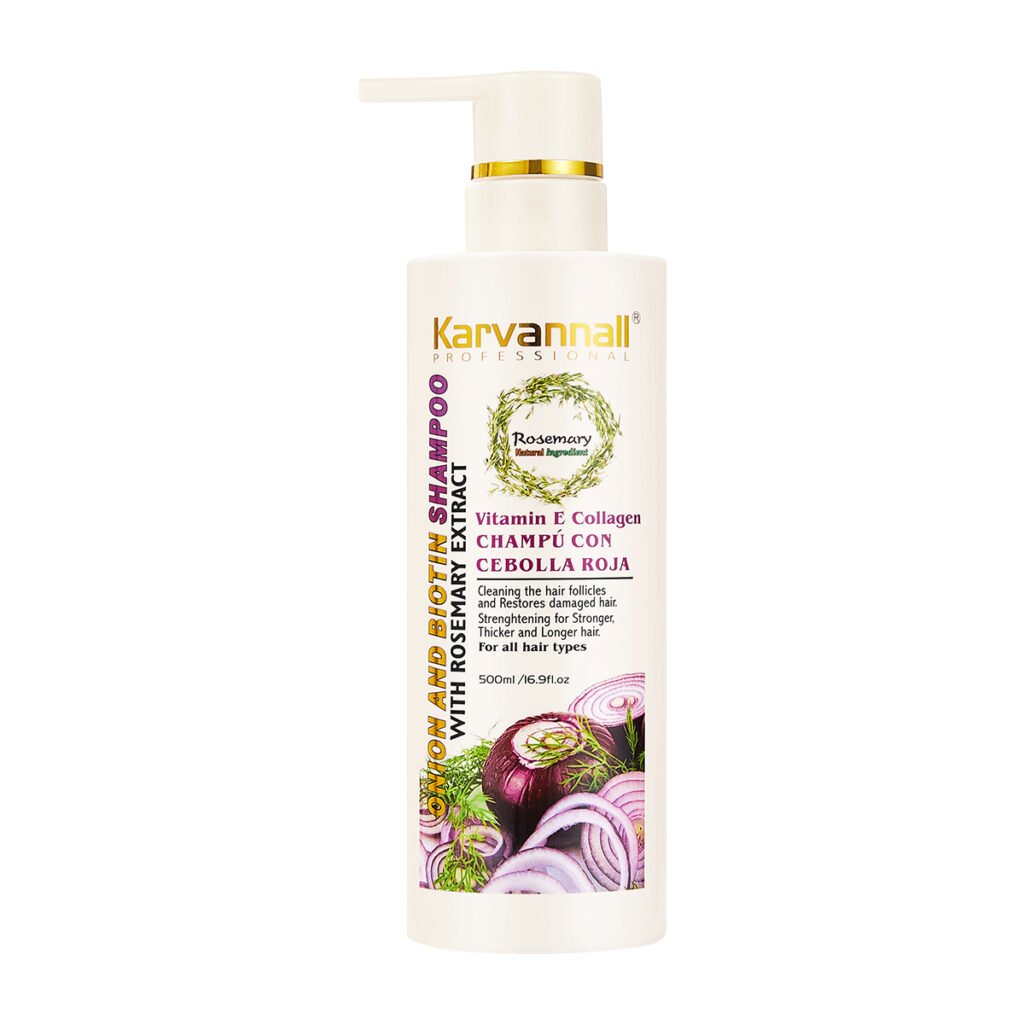
If you prefer to stay with shampoo but want a gentler formula, two Karvannall products are described on their product pages as follows:
- The Keratin and Argan 2-in-1 Shampoo is sulfate-free and paraben-free and, according to its page, cleans without stripping natural moisture. It is described as gentle enough for colour-treated and chemically processed hair and made for scalps that are prone to flaking. It is a cosmetic product, not a medical treatment.
- The Karvannall Vitamin E Collagen Hair Conditioner goes on after shampooing and is left for two to three minutes before rinsing. It is described as sulphate-free and paraben-free.
Not sure what a natural or organic label really guarantees? Our guide to organic hair care labels in India explains what those words do and do not mean, and how to read a shampoo label shows how to check ingredients yourself.
Frequently asked questions
Can I use shikakai and reetha instead of shampoo every day?
Some people do, but many find the hair becomes rough or dry with daily use. A traditional wash once or twice a week with a gentle shampoo on other days is a common compromise.
Is reetha safe for the scalp?
It suits many people, but it can irritate sensitive skin and sting the eyes. Do a patch test, keep it away from the eyes and stop if your scalp itches or burns.
Does amla stop hair fall?
There is not enough strong evidence to say that it does. Amla is traditionally used for hair care and can feel conditioning, but sudden or heavy hair fall should be checked by a doctor.
Do I still need conditioner after a herbal wash?
Usually yes. Traditional washes can leave hair feeling rough, so conditioner on the mid-lengths and ends helps keep it smooth and easy to comb.