Short answer: Many people notice more hair on the comb in winter, and the cause is usually one of two things: normal shedding that happens to be more visible, or dry hair that snaps along the length because cold air and hot showers strip moisture. The two look similar but need different care. If the loss is sudden, patchy or heavy, see a dermatologist rather than guessing.
Why does hair fall seem worse in winter?
Everyone loses hair daily, and a typical day involves a fair number of strands (our guide on how much hair fall is normal explains the range). In winter, a few things make that loss easier to notice:
- Dry indoor and outdoor air. Low humidity pulls moisture out of the hair shaft, so strands become brittle and break more easily during brushing and towel drying.
- Hot showers. Very hot water can leave the scalp tight and the hair rough.
- Woollens and scarves. Friction from rough fabrics can snap dry hair and leave short broken pieces around the collar.
- Static. Dry hair flies about, which makes loose strands more visible on clothes.
- Less frequent washing. Skipping washes in cold weather means shed hairs stay on the head until the next wash, so they all come out at once and look like a lot.
How can you tell shedding from breakage?
Look at the fallen hair closely. A shed hair usually has a small white bulb at one end and is the full length of your hair. A broken hair has no bulb and is shorter, often with a rough or split tip.
| What you see | Likely cause | What helps |
|---|---|---|
| Full-length strands with a small bulb at the root | Normal shedding, or a temporary increase after illness, stress or a season change | Patience, gentle handling, a balanced diet; see a doctor if it continues |
| Short pieces with no bulb, rough ends | Dryness and breakage | Moisture, less friction, less heat |
| Thin patches, a widening parting, or hair loss in clumps | Could be a medical cause | Dermatologist visit |
What does a gentle winter routine look like?
- Lower the water temperature. Lukewarm water is kinder to both scalp and hair. A cool rinse at the end is optional.
- Keep washing regularly. Most people do fine with their normal schedule. Our guide on how often to wash your hair helps you pick a rhythm by hair type.
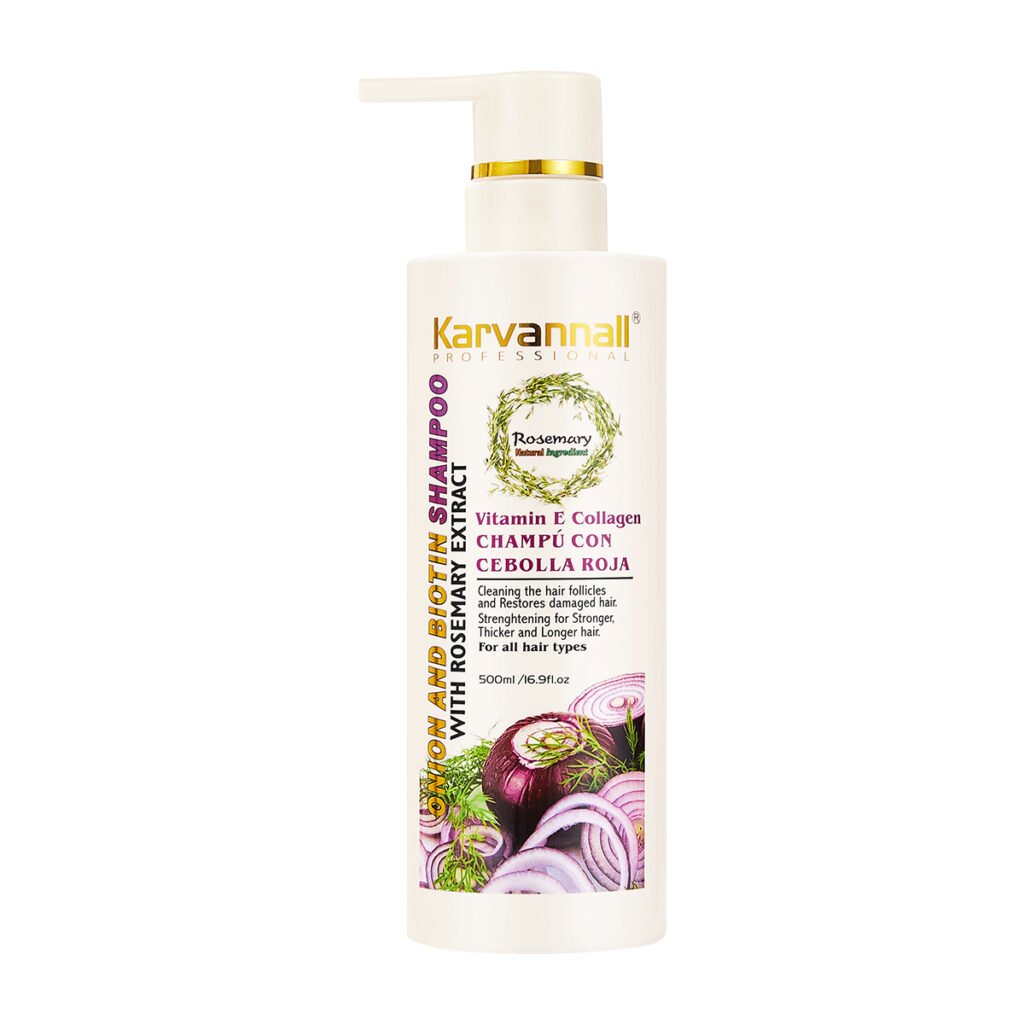
- Use a mild, sulfate-free shampoo. The Rosemary Biotin Anti-Hairfall Shampoo is described on its product page as sulfate-free and paraben-free, with rosemary extract and biotin. A shampoo cleans the scalp; it will not by itself stop seasonal shedding, so treat it as one part of the routine.
- Add moisture to the lengths. A mask once or twice a week helps dry hair resist breakage. The Collagen Shea Butter Moisture Hair Treatment Mask is listed for dry and damaged hair, with directions to apply to towel-dried hair for 5 to 7 minutes, two to three times a week. Our hair mask guide covers technique.
- Be gentle when wet. Pat hair with a soft towel instead of rubbing, and detangle from the ends upward with a wide-tooth comb.
- Reduce heat styling. Dry hair and hot tools are a poor mix; see our tips on protecting hair from heat.
For a fuller moisture plan, read Dry Hair in Winter: A Simple Moisture Routine. If your hair also sheds heavily after the rains, our post on hair fall after monsoon covers that pattern.
Does winter hair fall mean something is wrong?
Not necessarily. A short-lived increase that settles within a few weeks is common. It is worth seeing a dermatologist if you notice any of the following:
- Sudden or heavy hair loss that lasts more than a couple of months
- Bald patches or a clearly widening parting
- An itchy, painful, red or scaly scalp
- Hair loss along with tiredness, weight change or irregular periods
Causes such as low iron, thyroid problems or hormonal changes need a proper check, and no shampoo replaces that.
What can you do right now?
Start with the basics: lukewarm water, a mild shampoo, a weekly moisture treatment, gentle drying and less heat. Give it four to six weeks before judging. You can browse the full range in our shop.
Frequently asked questions
Is it normal to lose more hair in winter?
Some people notice more hair on the comb in colder months. This is often a mix of normal shedding and dry hair breaking. If it is heavy, sudden or patchy, check with a dermatologist.
How do I know if my hair is breaking or shedding?
A shed hair is full length and usually has a small bulb at the root. A broken hair is shorter with no bulb and often has a rough end.
Should I wash my hair less in winter?
You can stretch washes a little if your scalp is dry, but washing too rarely lets shed hair build up and can leave the scalp uncomfortable. Use lukewarm water and a mild shampoo.
Can a shampoo stop winter hair fall?
A shampoo cleans the scalp and hair, but it cannot change the natural shedding cycle. A gentle routine reduces breakage. Persistent hair loss needs a medical opinion.