Short answer: A helmet does not damage hair by itself, but wearing one daily traps heat and sweat against the scalp and creates friction on the hair, which can lead to a greasy or itchy scalp, tangles and breakage. The fixes are simple: let hair dry fully before putting the helmet on, keep the helmet liner clean, avoid tight hairstyles under it, and wash often enough to clear sweat and dust without scrubbing hard.
Why does helmet use cause hair problems?
Think of a helmet as a small, warm, closed space. Several things happen at once for riders across India who wear one on every trip:
- Sweat and heat. The scalp sweats under the helmet and the moisture stays there. This can leave hair flat, greasy and smelly, and it can make an itchy scalp worse. See our guide to a sweaty scalp in Indian summer.
- Friction. The helmet and its padding rub against hair every time you put it on or take it off. Long or fine hair can tangle and snap, especially if it is damp.
- Dust and pollution. Road dust and exhaust settle on hair and scalp during the ride. Hair care in polluted cities covers how to deal with it.
- An unwashed liner. Sweat, oil and skin flakes build up inside the helmet, so each ride puts your hair back in contact with them.
How do I stop helmet hair before it starts?
- Never wear a helmet on wet hair. Damp hair is fragile and tends to stay damp, which makes the scalp environment worse. Dry hair fully after washing, and read how to dry hair after washing if you are unsure of the best method.
- Keep your hairstyle loose. A tight ponytail or bun under a helmet pulls on the roots and adds pressure. See tight hairstyles and hair loss.
- Consider a thin cotton cap or bandana under the helmet. A clean, breathable layer absorbs sweat and reduces rubbing. Wash it after every ride or two.
- Clean the helmet liner. Follow the manufacturer’s instructions; many liners are removable and can be hand washed. Let them dry completely.
- Air the helmet out. Do not leave it hanging on the bike in the sun with sweat inside; keep it somewhere dry and ventilated.
- Take it off and let the scalp breathe as soon as you reach your destination, instead of leaving it on in traffic or at the tea stall.
How often should I wash hair if I wear a helmet daily?
There is no single right number. If you sweat heavily or ride in dust every day, washing more often can feel better than waiting several days, as long as the shampoo is gentle. Use fingertips on the scalp, not nails, and rinse thoroughly. Our guide on how often to wash your hair breaks it down by hair type, and washing hair after a workout covers a similar sweat situation. If your scalp is itchy or flaky, this guide to itchy scalp causes explains when to see a doctor.
What shampoo and conditioner suit helmet users?
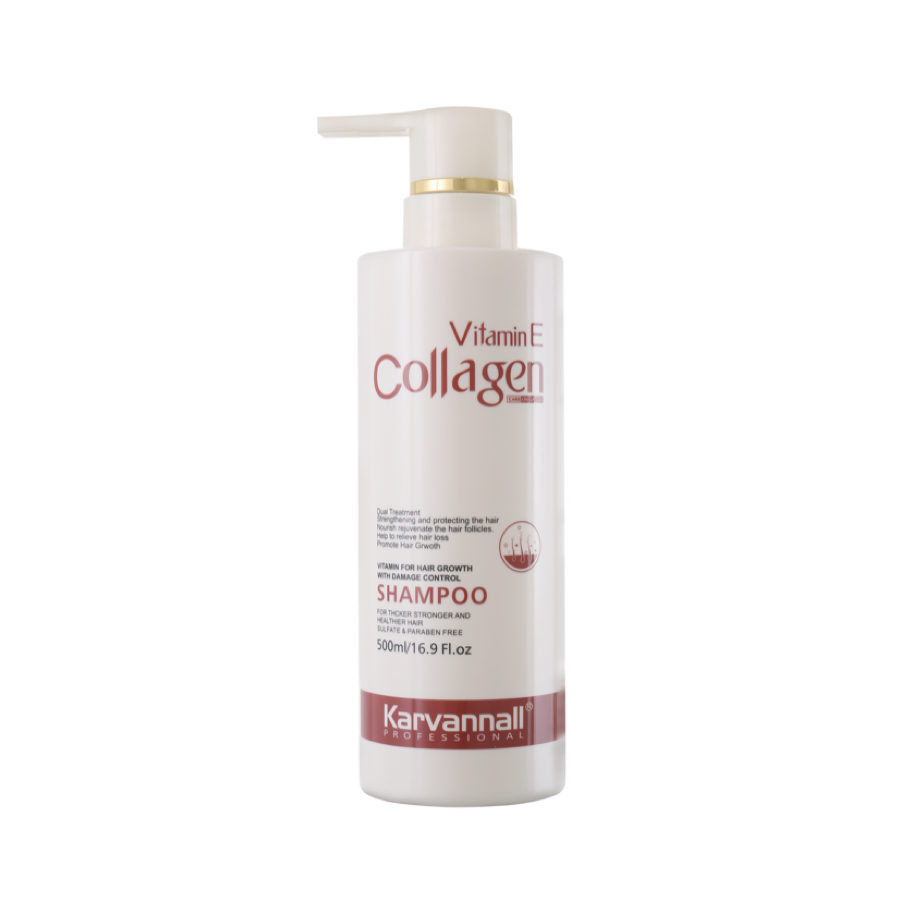
Pick a gentle shampoo that you can use as often as you need. The Vitamin E Hair Shampoo is made for hair that looks dull or feels rough and needs softening. Its product page is clear that it is not an oil-control shampoo and does not help an oily scalp, so it suits normal to dry hair rather than very greasy roots. If your scalp is prone to flaking under the helmet, the Keratin and Argan 2-in-1 Anti-Dandruff and Anti Hair Fall Shampoo is described as sulfate-free and paraben-free and made for dandruff-prone scalps; it is a cosmetic product, not a medical treatment.
For the lengths that rub against padding, use conditioner on mid-lengths and ends only. The Keratin and Argan Hair Conditioner is described as improving smoothness, shine and manageability; leave it on for the time given on the pack, then rinse well. You can see everything in the shop.
Does wearing a helmet cause hair loss?
There is no good reason to think that a helmet on its own causes hair loss. Problems come from related habits: wearing a very tight helmet strap or tight hairstyle every day, leaving a dirty liner against an irritated scalp, or scratching hard. If your hair is thinning, you notice patches, or your scalp is painful or inflamed, see a dermatologist rather than blaming the helmet or changing products again.
A simple routine for daily riders
- Before the ride: make sure hair is dry, keep the style loose, and put on a clean cap if you use one.
- After the ride: take the helmet off, let the scalp air out, and loosen sweaty hair with your fingers instead of pulling a comb through it.
- On wash day: shampoo the scalp gently, condition the lengths, and dry fully before the next ride.
- Weekly: clean the helmet liner and cap.
Frequently asked questions
Does wearing a helmet cause hair fall?
A helmet is not a known direct cause of hair loss. Tight hairstyles, a dirty liner, scratching and sweat build-up can irritate the scalp or break hair. See a dermatologist if you notice thinning or patches.
Why does my scalp smell after wearing a helmet?
Heat and sweat stay trapped under the helmet and mix with oil and dust on the scalp and in the liner. Washing the scalp regularly and cleaning the liner usually helps.
Can I wear a helmet with wet hair?
It is best not to. Wet hair is more fragile and stays damp under the helmet, which can lead to a smelly or itchy scalp and more breakage. Dry hair fully first.
Should I wash my hair every day if I ride daily?
Not necessarily. Wash as often as sweat, dust or itching make it uncomfortable, using a gentle shampoo and fingertips rather than nails. Many people find every one to two days enough.