Short answer: Frizz happens when the outer layer of the hair lifts and the strand pulls moisture from the air, so it swells and bends in every direction. You control it by cutting down dryness and friction: wash gently, condition the lengths, dry hair carefully and finish with a few drops of oil. No product removes frizz for good, but a steady routine makes it much easier to manage.
What causes frizzy hair?
Every hair is covered in tiny overlapping scales called the cuticle. When hair is well moisturised, the scales lie flat and the strand looks smooth. When hair is dry or damaged, the scales lift. Dry hair then soaks up water from humid air, swells unevenly and sticks out as frizz.
The usual causes are:
- Natural texture. Wavy and curly hair bends along its length, so scalp oils travel down it more slowly and the ends dry out sooner.
- Dryness. Too little moisture, often from skipping conditioner.
- Heat and chemicals. Hair dryers, straighteners, colouring, bleaching and smoothing treatments all roughen the cuticle.
- Rough handling. Rubbing with a towel, brushing dry tangled hair and tight hairstyles.
- Humidity. Monsoon weather and coastal cities make frizz worse in hair that is already dry.
Is frizz the same as damage?
Not always. Healthy curly hair can frizz in humid weather. But if frizz is new, the hair feels rough or straw-like, or you see more breakage, damage is the likelier cause. Our guides on the protein and moisture balance and the hair porosity test help you work out what your hair is missing.
How do you control frizz step by step?
- Shampoo the scalp, not the lengths. Work the lather into the roots and let it rinse through the ends. Use lukewarm rather than hot water. Our guide to washing hair properly covers the technique.
- Condition the mid-lengths and ends at every wash. The Keratin and Argan Hair Conditioner is described on its page as improving smoothness, shine and manageability while hydrating the hair. Apply it from the mid-shaft to the ends, leave it for a couple of minutes and rinse thoroughly.
- Add a weekly mask if hair is very dry. A mask replaces conditioner on that day. The Collagen Shea Butter Moisture Hair Treatment Mask is made for dry, damaged and weakened hair. Our guide on using a hair mask explains timing.
- Dry gently. Squeeze water out with a soft towel or an old cotton T-shirt instead of rubbing. See how to dry hair after washing.
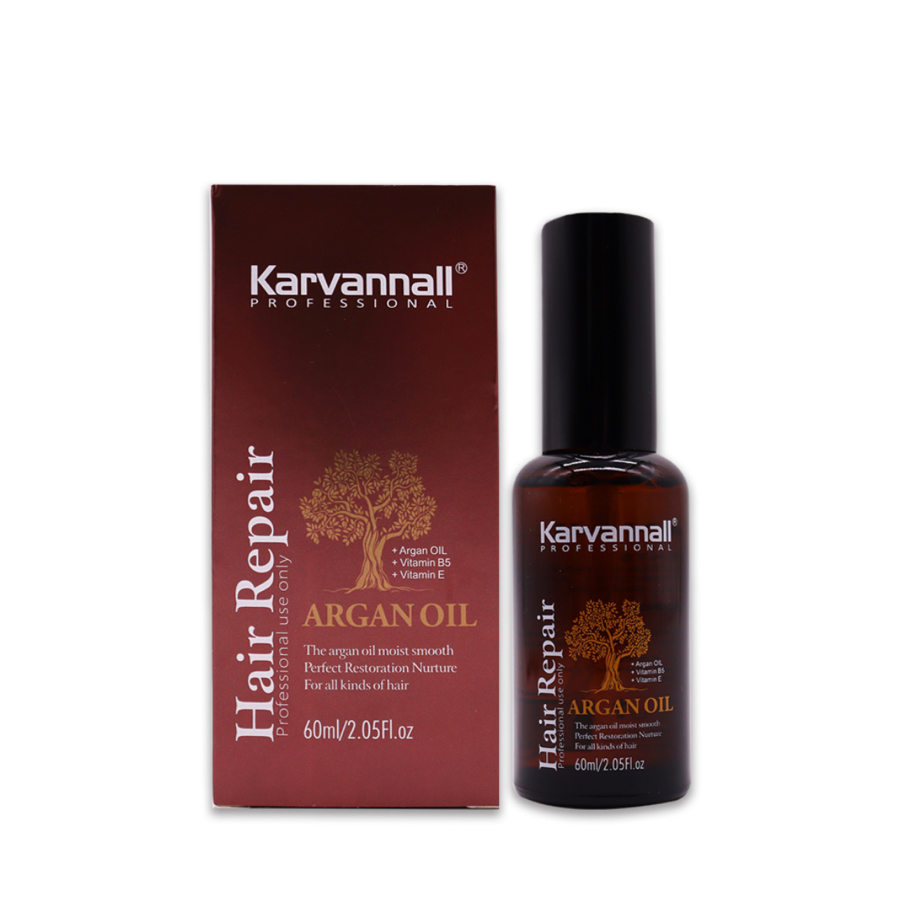
- Finish with a few drops of oil. The Argan Oil is a lightweight oil that its page says smooths frizz and flyaways and adds shine. Two or three drops are enough for mid-length hair, warmed between your palms and applied to damp hair. More than that tends to look greasy. Our argan oil guide has more on leave-in and pre-wash use.
- Detangle with care. Use a wide-tooth comb on damp, conditioned hair, starting from the ends. See how to detangle wet hair without breakage.
- Go easy on heat. Use the dryer on a medium setting and a heat protectant if you style often. More in our guide to protecting hair from heat styling.
What does a simple frizz routine look like?
| Step | How often | What it is for |
|---|---|---|
| Shampoo | As often as your scalp needs, often every 2 to 3 days | Cleans the scalp without stripping the lengths |
| Conditioner | Every wash | Softens and smooths mid-lengths and ends |
| Hair mask | Once a week, twice if hair is very dry | Extra moisture, replaces conditioner that day |
| Oil or serum | A few drops after washing | Smooths flyaways and ends |
| Heat styling | As little as possible | Protects the cuticle |
What about frizz in humid weather?
Humidity is when frizz shows up most, because dry hair takes in moisture unevenly. Well-conditioned hair is less affected, so the best defence is the routine above rather than a special product. Apply your oil to damp hair before you leave the house, avoid over-washing and keep a wide-tooth comb handy instead of a brush. If your hair also sheds more after the rains, read hair fall after monsoon. Winter static is a different problem, covered in static hair in winter.
When should you ask a professional?
If your hair feels rough or breaks easily after colouring or a smoothing treatment, ask your stylist what it can tolerate. If you notice sudden or patchy hair loss, or scalp pain or rashes, see a dermatologist rather than adjusting your routine.
You can browse the full range in our shop.
Frequently asked questions
Why is my hair still frizzy after using conditioner?
Conditioner only works on the part of the hair it touches, so apply it from the mid-lengths to the ends and rinse well. If frizz continues, the hair may need a weekly mask, gentler drying or less heat styling.
Does argan oil stop frizz?
It does not stop frizz, but a few drops on damp hair help smooth flyaways and add shine. Use two or three drops for mid-length hair, since too much makes hair look greasy.
Should I wash frizzy hair every day?
Usually not. Frequent washing can leave dry hair rougher. Wash when your scalp feels oily or dirty, which for many people is every two to three days.
Can frizz be removed permanently?
Everyday products cannot remove frizz permanently, and natural texture will always have some. They make it easier to manage. Salon smoothing treatments are another option to discuss with a stylist.