Short answer: Fine hair has thin individual strands, so it goes flat and greasy easily and is weighed down by heavy products. For more body, cleanse the scalp properly, use a light conditioner on the ends only, avoid layering oils and creams, and be gentle with heat and brushing. Fine hair is not the same as hair loss, and the two should not be confused.
What is the difference between fine hair and thin hair?
Fine hair describes the width of each strand, which is thin. Thin hair usually describes density, meaning fewer strands on the scalp. You can have fine hair with plenty of density, or thick strands with low density. Care differs a little: fine strands break and flatten easily, while low density makes the scalp more visible.
If your hair has become noticeably thinner over months, see our guides on causes of hair thinning in women and how much hair fall is normal, and consider seeing a dermatologist. This post is about caring for hair that has always been fine.
How should I wash fine hair?
Fine hair shows oil quickly because there is less hair to spread it over. Wash the scalp thoroughly, massage with your fingertips, and rinse for longer than you think you need. Leftover shampoo or conditioner makes fine hair limp.
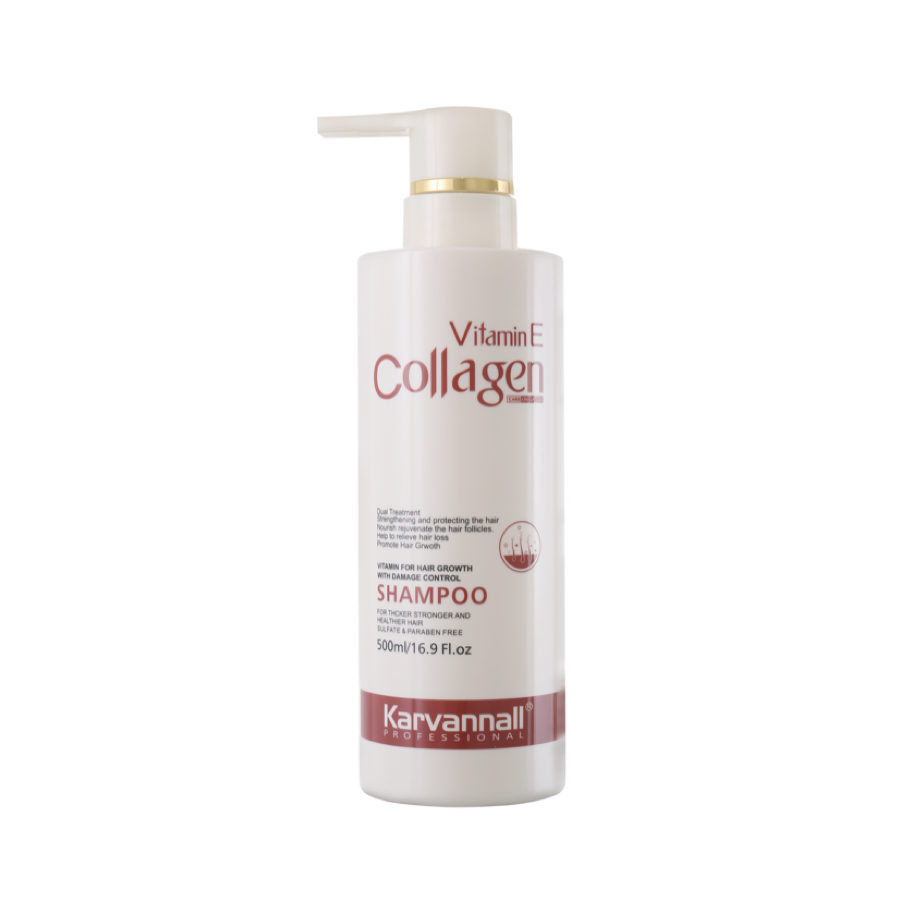
Choose a shampoo that cleans without feeling stripping. The Vitamin E Hair Shampoo product page describes a gentle cleanser that moisturizes and hydrates hair. Our post on vitamin E in shampoo and conditioner explains what to realistically expect from it.
How do I condition fine hair without making it flat?
- Use a small amount, roughly a coin-sized dollop for shoulder-length hair, and increase only if needed.
- Apply from mid-lengths to ends, never the roots.
- Leave it on for a short time, then rinse thoroughly.
A lighter formula helps. The Silicone-Free Hair Conditioner is described on its page as made for normal to oily hair, to make hair shiny and soft without making it greasy, with 1 to 2 minutes of leave-on time. See also how to use conditioner properly.
Should fine hair use oil?
Sometimes, but sparingly. A drop or two of a lightweight oil on the ends can smooth frizz without flattening the roots. The Argan Oil page describes a lightweight oil that smooths frizz and flyaways and boosts shine, applied to wet or damp hair. With fine hair, start with a single drop warmed between your palms and add more only if needed. Read how to use argan oil on hair for placement tips.
Everyday habits that help fine hair
| Habit | Why it helps |
|---|---|
| Detangle from the ends up | Fine strands snap when pulled from the roots |
| Pat dry, do not rub | Rough towel-drying causes breakage and frizz |
| Blow-dry roots first, with the dryer pointed down the strands | Gives lift at the root and smoother lengths |
| Use heat protection and moderate heat | See our guide on protecting hair from heat styling |
| Avoid tight ponytails every day | Constant tension can weaken fragile strands |
What should I avoid?
Heavy masks on the scalp, several leave-in products layered together, and rich oils at the roots all tend to flatten fine hair. If you use a mask, keep it to the ends and the occasional wash. Our post on protein vs moisture can help you decide what your hair actually lacks.
When should I speak to a doctor?
Sudden shedding, a widening parting, patchy loss, scalp pain or a rash are not styling problems. A dermatologist can check for causes such as nutrient deficiency, thyroid problems or hormonal changes, none of which a shampoo can sort out. You can browse the Karvannall shop for everyday products once you know your hair needs.
Frequently asked questions
Why does fine hair get oily so quickly?
Fine hair has less surface area per strand and often more strands per square centimetre of scalp, so oil spreads quickly and shows up sooner than on coarser hair.
Can I use conditioner on fine hair?
Yes, but use a small amount on the ends only and rinse well so it does not weigh hair down.
Is fine hair the same as thinning hair?
No. Fine hair means thin individual strands and is usually lifelong. Thinning means losing density over time and is worth discussing with a dermatologist.
How often should I wash fine hair?
It depends on your scalp. Many people with fine hair wash every day or every second day because oil shows quickly. Choose the schedule that keeps your scalp comfortable.