Short answer: Sleeping with wet hair once in a while is not dangerous, and it does not cause a cold, which comes from viruses. But wet hair is more fragile and tangles easily against a pillow, so regular sleeping with wet hair can mean more breakage and frizz, and a damp scalp may feel uncomfortable or itchy for some people. It is better to dry hair mostly or fully before bed.
Does sleeping with wet hair cause a cold?
No. Colds are caused by viruses, not by damp hair or cool air. If you feel chilly with wet hair in winter that is a comfort issue, not a cause of infection.
What can sleeping with wet hair do to your hair?
- More breakage. Hair stretches more when wet and is easier to snap. Turning on the pillow adds friction.
- More tangles and frizz. Hair that dries while you move around tends to dry in a rumpled shape and wake up knotted.
- A damp scalp. Some people find a persistently damp scalp feels itchy or flaky. If you already have dandruff or irritation, see our guide on dandruff vs dry scalp and see a doctor if it is persistent.
- A damp pillow. This is a hygiene point more than a hair one: change pillowcases regularly.
What should you do instead?
- Wash earlier in the evening so hair has time to dry before you sleep.
- Squeeze, do not rub. Press water out with a soft towel or old cotton T-shirt.
- Detangle gently. Use a wide-tooth comb from the ends upwards; see how to detangle wet hair without breakage.
- Air-dry as far as you can, using a hairdryer on a cool or low setting for the last bit if needed. If you use heat, read how to protect hair from heat styling.
- Tie hair loosely in a loose braid or bun, or use a soft scrunchie, so it is not pulled tight overnight.
What if you have to wash hair at night?
It happens, especially after work, a gym session or a hot summer day. Keep the routine light: wash, condition the lengths, squeeze out water and dry as much as you can before lying down. A light touch of oil on damp ends can smooth them; the Argan Oil page says to warm it between your palms and work it through damp hair, and two or three drops is plenty for mid-length hair. For more ideas, see our night-time hair care routine.
Which shampoo and conditioner suit a quick evening wash?
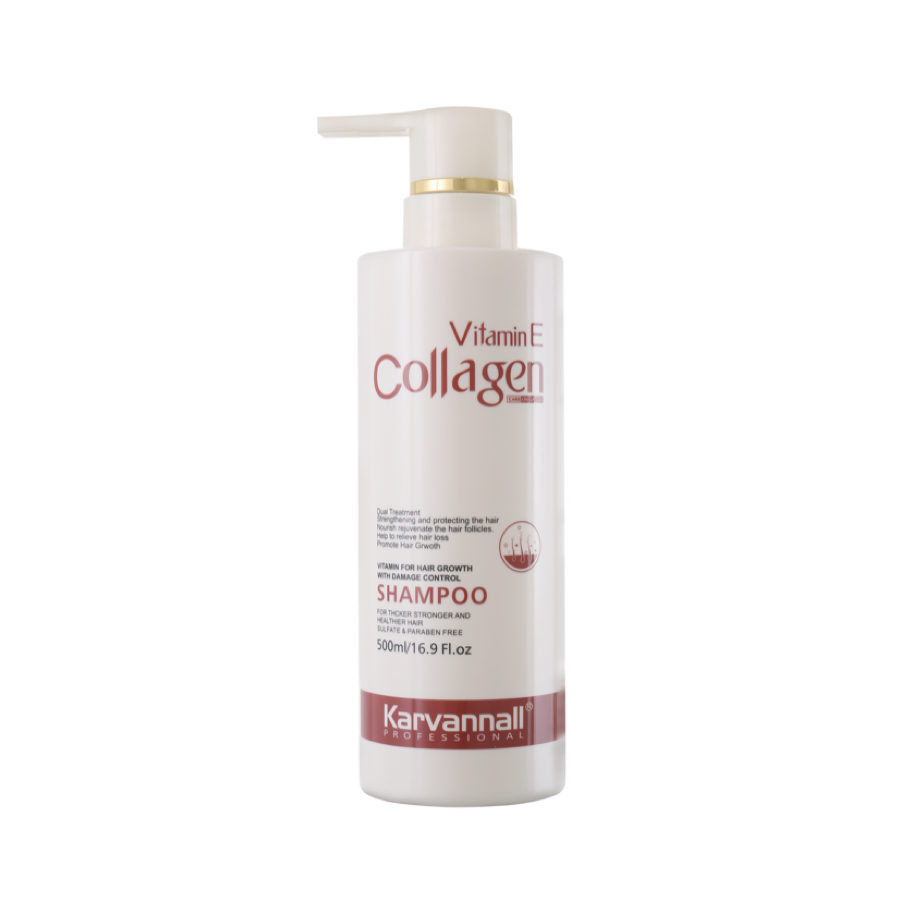
Any gentle shampoo that suits your scalp will do. The Vitamin E Hair Shampoo is made for hair that looks dull or feels rough and is best for normal to dry hair; its product page says it is not an oil-control shampoo. If your scalp gets oily quickly, our guide to shampoo for an oily scalp may suit you better. You can browse everything in our shop.
Is sleeping with wet hair worse for curly or long hair?
Long hair has more length to tangle, and curly or wavy hair can lose its pattern if it dries squashed on one side. If this describes you, our curly hair care routine has tips on drying and overnight styling.
Frequently asked questions
Can sleeping with wet hair cause hair fall?
It does not directly cause hair loss, but wet hair breaks more easily, so rubbing on a pillow can cause more broken strands. Persistent or sudden hair fall should be checked by a doctor.
Can sleeping with wet hair give you a cold?
No. Colds are caused by viruses, not by wet hair or cool air.
How dry should hair be before bed?
Ideally dry or only very slightly damp. If you have to sleep with damp hair, tie it loosely and keep the pillowcase clean.
Is a silk pillowcase worth it?
A smooth pillowcase can reduce friction on hair for some people, but it is optional. Drying hair before bed and tying it loosely matter more.